
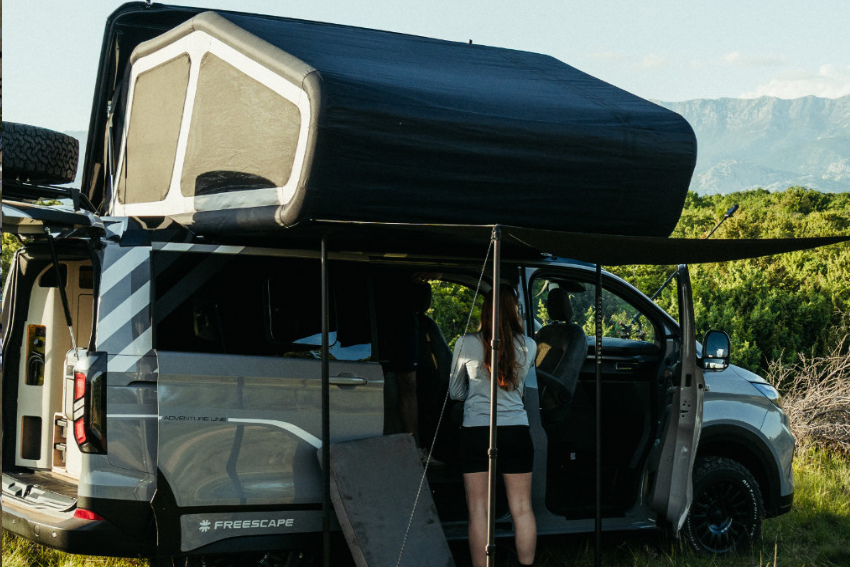
Freescape: A New Way to Think About Expedition Camper Roofs
A smarter approach to space, comfort and life on the road.
For anyone building an expedition camper, every design decision matters. You want a vehicle that can take you further, make the most of limited space and provide a comfortable place to relax when the day’s adventure is over.
That’s why the new Freescape rooftop tent system from CamperKing is worth a closer look. Combining an inflatable support structure with a dedicated sleeping area above the vehicle, it brings a different approach to the familiar pop-top camper roof.
And for expedition-minded travellers, it’s an interesting development.
A Different Approach to the Pop-Top Roof
Traditional pop-top roofs have long been a popular way to add sleeping space and headroom to a campervan. Freescape takes a different route, using Advanced Air Technology (AAT)rather than relying on a conventional pole-supported tent structure.
The result is a roof system designed around lightweight construction, quick inflation and practical living space.
When you’re planning a vehicle for extended trips, touring remote areas or simply escaping for a long weekend, that combination of functionality and comfort is exactly what makes innovative roof designs worth exploring.
More Room for Adventure
One of Freescape’s standout features is its dedicated upper sleeping area, measuring 140 × 200 cm — generous space for two adults.
The sleeping platform is paired with an 8 cm hybrid mattress, designed to balance cushioning and support. An integrated cotton inner tent helps create a more comfortable sleeping environment, while zipped windows allow ventilation to be adjusted to suit the conditions.
For expedition campers, this is about more than just somewhere to sleep. It’s about making the vehicle work harder, creating extra usable space without sacrificing the appeal of a compact camper.
Advanced Air Technology: Less Conventional, More Innovative
At the heart of the Freescape system is its air-supported structure.
Rather than using traditional poles, the system uses pressure-resistant air tubes to form its structure once inflated. A supplied electric compressor brings the roof up to its operating pressure, with inflation taking approximately four minutes according to CamperKing.
The system also features separate air chambers and a layered construction designed to balance stability, durability and ease of maintenance.
It’s a fresh take on a familiar camper concept — and one that will appeal to anyone interested in how new engineering ideas can improve life on the road.
Designed With Comfort in Mind
Expedition travel isn’t always about perfect weather. Cool evenings, changing temperatures and damp conditions are all part of the experience.
Freescape combines an outer tent with a cotton inner layer, creating an insulating air space between the two. The design aims to improve comfort in a range of conditions, while the water-repellent outer fabric helps protect against the elements.
As with any rooftop tent, ventilation and proper drying after wet-weather use remain important parts of looking after the system.
It’s a practical reminder that a good expedition setup isn’t just about getting out there — it’s about staying comfortable once you arrive.
Practical Details That Matter
The headline technology is interesting, but the everyday details matter just as much.
Freescape includes a number of features designed to make touring more convenient:
- A dedicated double sleeping area: 140 × 200 cm of space above the vehicle.
- A hybrid mattress: 8 cm thick for a more comfortable night’s sleep.
- Electric inflation: A compressor is supplied as part of the system.
- Solar compatibility: Designed to work with CamperKing’s current solar panels.
- Integrated awning: An additional sheltered area measuring 200 × 180 cm.
- Insulated bed base: A 30 mm base with a stated 250 kg weight limit.
- Ventilation and privacy: Zipped windows and a closable inner tent.
- A streamlined profile: Aerodynamic development has been part of the design process.
Together, these details make Freescape an interesting option for campers who want to combine practical functionality with a more contemporary roof design.
Is Freescape Right for an Expedition Camper?
That depends on how you use your vehicle.
For some builds, a conventional fixed roof or traditional pop-top will remain the best choice. For others, the idea of a lightweight, air-supported roof system with a dedicated upper sleeping area could offer an appealing alternative.
If you’re planning a new camper, it’s worth looking beyond the headline features and considering the complete package: vehicle compatibility, payload, sleeping arrangements, insulation, storage and how the roof system fits into your overall build.
It’s also worth remembering that Freescape isn’t currently presented as a universal aftermarket roof. CamperKing states that its SDZ version is available exclusively on factory orders for its Volkswagen T7 short- and long-wheelbase models, with availability starting in October 2026.
That makes checking compatibility and the latest specification an important first step.
The Future of Camper Roof Design?
What makes Freescape interesting is the thinking behind it. Instead of simply refining an established design, it explores a different way of creating usable space above a camper.
For expedition enthusiasts, innovations like this are worth watching. The best equipment is the kind that makes travelling easier, improves comfort and gives you more freedom to enjoy the places you set out to discover.
Whether you’re planning your next build or keeping an eye on the latest developments in camper technology, Freescape is certainly one to have on your radar.
Find out more: Visit CamperKing’s official Freescape page for the latest details, specifications and availability.
Planning an expedition camper build? The right roof system is just one part of creating a vehicle that’s ready for the journey ahead.